24/7 dispatch · 16:14 · ET 📞 (555) 555-5555
Blue Ridge Mold Remediation Asheville, NC · est. dispatch
FIELD HEADQUARTERS · ASHEVILLE, NC

Mold Remediation in Asheville, NC — Mountain-Climate Specialists

IICRC-certified mold remediation across Asheville and Western NC. Crawlspace, attic, post-Helene flood mold, and vacation rental specialists for mountain microclimates.

Open Dispatch · (555) 555-5555
Section · 01 · Coverage Brief

Asheville's mountain microclimates produce mold patterns most national contractors haven't seen. Add Hurricane Helene's flood damage and the region's heavy short-term-rental stock, and the work calls for local protocol — not generic remediation.

Mold in Asheville isn’t an occasional problem — it’s a feature of the climate. Cool wet summers, fog hugging the western slopes, persistent humidity in the French Broad and Swannanoa river valleys, and a housing stock dominated by crawl-space construction over earth floors. Add the unprecedented flooding from Hurricane Helene in September 2024, and the entire region is still working through the largest mold remediation event in modern Western North Carolina history.

We’re a local company built specifically around the mold conditions that mountain construction and mountain climate produce. Our crews have been working through Helene flood recovery in Biltmore Village, the River Arts District, Swannanoa, and the lower Buncombe County valleys since the waters receded. We also handle the slow, chronic mold problems that defined this region long before the storm — crawl spaces with permanent ground moisture, attics with cold-side winter condensation, vacation cabins where intermittent HVAC use lets humidity build, and 100-year-old homes in Montford and West Asheville with original construction details that don’t shed moisture the way modern homes do.

When you call (555) 555-5555, you reach a real dispatcher. We’ll get a certified inspector on site, usually within 24-48 hours for non-emergency assessments and same-day for active water-and-mold emergencies. Free inspections throughout the Asheville metro and surrounding mountain communities.

What We Do

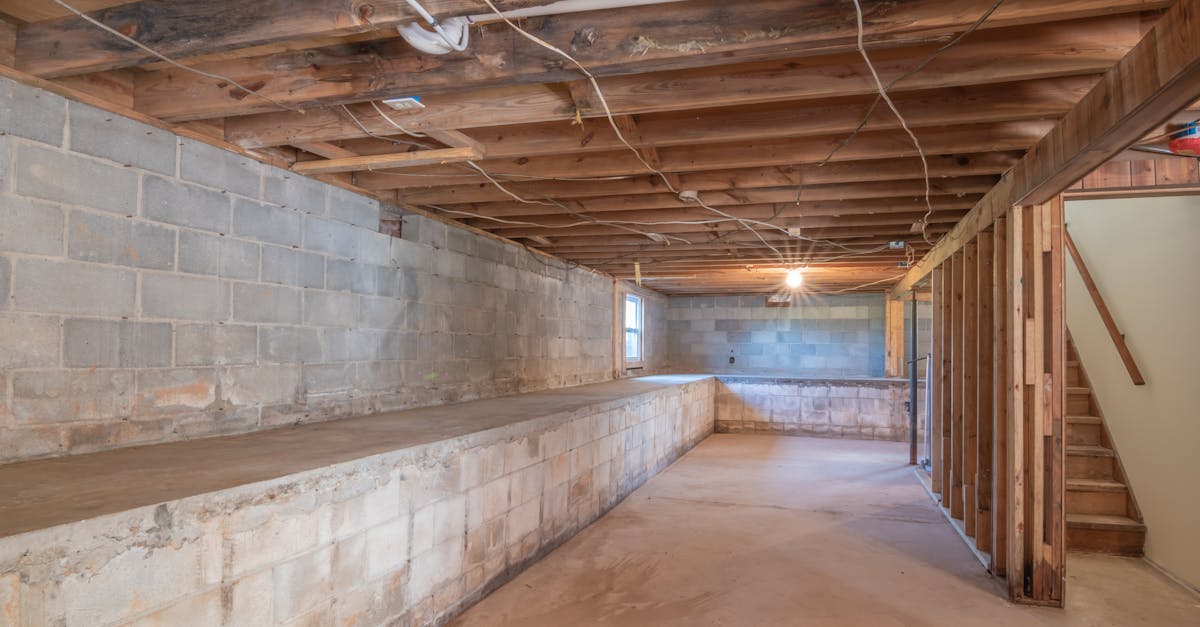
Crawl space mold remediation. The single most common mold call in WNC. Original earth-floor crawl spaces, vapor-permeable foundation vents, and mountain humidity combine to produce nearly continuous moisture. We remove mold-affected insulation and subfloor, treat structural framing, install proper vapor barriers, and address the moisture source so it doesn’t return.

Attic mold remediation. At Asheville’s elevation, winter nights regularly drop into the teens. Warm humid air from the living space rises into poorly ventilated attics, condenses on cold roof sheathing, and feeds mold growth on the underside of the roof deck. We handle the remediation and the ventilation correction together.

Post-flood mold remediation. Helene saturated thousands of homes along the French Broad, Swannanoa, and Hominy Creek corridors. We continue to work through that backlog. We also respond to ordinary indoor flooding — burst pipes, failed water heaters, roof leaks — before it becomes a mold problem.

Whole-home mold investigation. When you can smell mold but can’t find it, when family members have unexplained respiratory symptoms at home that improve away, or when a pre-purchase inspection turned up something concerning — we do thorough investigations including thermal imaging, moisture mapping, and air sampling.

Vacation rental and cabin mold service. Short-term rentals and second-home cabins throughout Black Mountain, Weaverville, Fairview, and the higher-elevation areas around Asheville have a unique problem: HVAC runs only when guests are present. Between bookings, humidity climbs, and mold establishes. We provide remediation plus prevention plans for absentee owners.

Why Asheville Has Specific Mold Issues

The mountains don’t behave like the Piedmont or the coast. Some of what we deal with that flatlanders don’t:

Cool, wet, persistent. Asheville averages over 45 inches of rain annually, and the western slopes of the Blue Ridge see considerably more. Summers are cooler than the rest of the Southeast, which sounds nice — but cooler air with the same moisture means higher relative humidity for longer periods of the day. Drying conditions are simply worse here than in Charlotte or Raleigh.

Crawl-space construction is the default. Mountain lots aren’t flat. Building on a slope means a crawl space, almost always. Many older homes in Asheville, Hendersonville, and Weaverville still have original earth-floor crawls with no vapor barrier, no encapsulation, and 80+ years of accumulated moisture exposure in the framing above.

Hurricane Helene changed the baseline. September 2024 brought catastrophic flooding to the French Broad and Swannanoa valleys — Biltmore Village, the River Arts District, Swannanoa, parts of Woodfin, Marshall, Chimney Rock. Homes that took on feet of water are still being remediated. Homes that took on inches still have hidden mold in wall cavities. The full mold consequences of Helene will be working through this region for years.

Older housing stock. Montford, West Asheville, Kenilworth, Biltmore Village, Grove Park — these neighborhoods have homes from the 1900s through 1940s with plaster walls, original framing, and construction details (skirt boards, knee-wall closets, plaster-on-wood-lath ceilings) that retain moisture and harbor mold once it gets in.

Cold-side attic condensation. At elevation, the temperature differential between heated living space and unheated attic in winter is severe. Without proper air sealing and ventilation, condensation forms on the cold roof sheathing. Many Asheville attics show mold growth on the north slope of the roof deck even in homes with no leak history.

Vacation home moisture. Cabins around Black Mountain, Fairview, and the higher elevations sit empty for weeks, with HVAC off or set to a low setpoint. Humidity climbs, and mold establishes silently.

Service Area

We serve the Asheville metropolitan area and surrounding mountain communities:

  • Asheville — every neighborhood, from Montford and Kenilworth to West Asheville and South Asheville
  • Hendersonville and Henderson County — including Flat Rock and Etowah
  • Black Mountain and Swannanoa — heavy ongoing Helene recovery
  • Weaverville and Woodfin — northern Buncombe County
  • Fletcher, Arden, Fairview, Candler — surrounding Buncombe communities
  • Biltmore Forest, Biltmore Village — flood-affected and historic
  • Higher-elevation cabins and second homes in surrounding areas

What to Do Right Now

If you suspect mold in your Asheville home:

  1. Don’t disturb it. Don’t try to clean visible mold yourself with bleach — surface treatment doesn’t address mold growing within materials, and disturbing colonies releases millions of spores into your air.
  2. Reduce humidity. Run your HVAC. If you have a dehumidifier, run it. Target indoor humidity below 55%.
  3. Photograph what you see. For your records and for any insurance documentation.
  4. Call us at (555) 555-5555. Free inspection. Honest scope. We’ll tell you if it’s a real problem or not.

We’ve been through Helene with this region. We know these mountains and these houses. Let’s get yours dry.

Section · 02 · Field Reports
Section · 03 · Coverage
Section · 04 · Open Dispatch

Free Blue Ridge mold inspection.

We test, we contain, we remediate, and we coordinate with insurers on Helene-related claims. Coverage across Asheville, Hendersonville, Black Mountain, Swannanoa, and Weaverville.

Call (555) 555-5555